This guide explains fictional game design mechanics only. All examples, tables, and descriptions refer exclusively to creative choices made by game designers for entertainment purposes inside mobile applications. Nothing on this page represents real-world probabilities, gambling, betting, financial investment, real-money rewards, prizes, or guaranteed outcomes of any kind.
What This Guide Covers
Many mobile games include fictional systems that determine how players encounter and obtain new characters. These systems are created by designers to shape the player experience, control pacing, and provide variety. This guide uses neutral language to describe common patterns found in such designs.
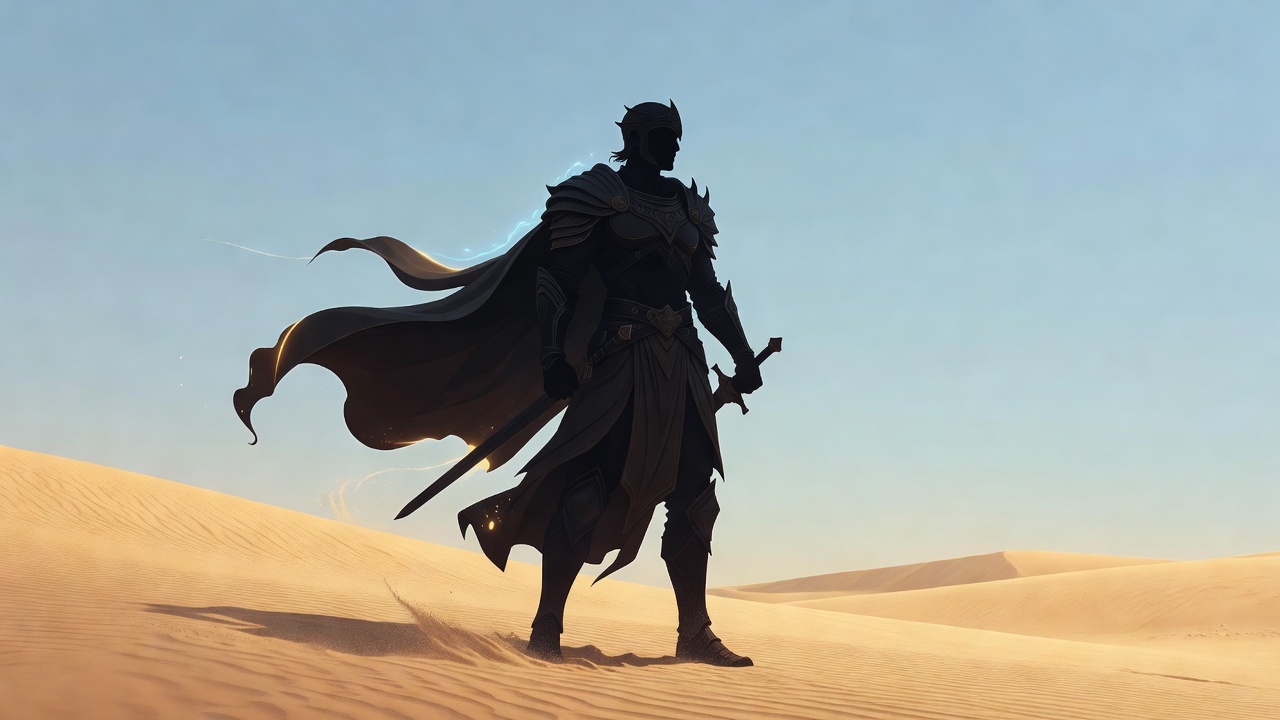
Rarity Tiers as Design Tools
Rarity tiers are a common way for game designers to visually and mechanically differentiate characters. They often use color coding, glow effects, and frame styles so players can quickly understand the relative positioning of a character within the fictional collection.
ILLUSTRATIVE EXAMPLE OF RARITY STRUCTURE
| Rarity Tier | Typical Visual Style | Role in Fictional Design |
|---|---|---|
| Common | Simple frame, white or light blue accents | Foundational characters used for early progression and roster building |
| Uncommon / Rare | Enhanced frame, soft purple or teal glow | Mid-tier characters offering more specialized abilities |
| Epic | Detailed frame, stronger glow effects | Characters with more complex kits and visual polish |
| Legendary / SSR | Premium presentation, gold or rainbow accents | High-investment characters with distinctive designs and powerful abilities |
Character Banners and Pools

Fictional Banner Presentations
Banners are temporary or themed presentations that highlight specific characters or groups. They are a visual and organizational tool used by designers to focus player attention during limited-time events or story chapters.
Character Pools
A character pool is the complete set of heroes that can appear through the fictional acquisition system. Pools may be divided into permanent and limited groups, and are adjusted by designers over time to maintain variety.
Pity-Style and Guarantee Mechanics
Many fictional games include systems that provide a form of "safety net" after a certain number of attempts. These are called pity or guarantee mechanics by players and designers.
Character Upgrades and Progression

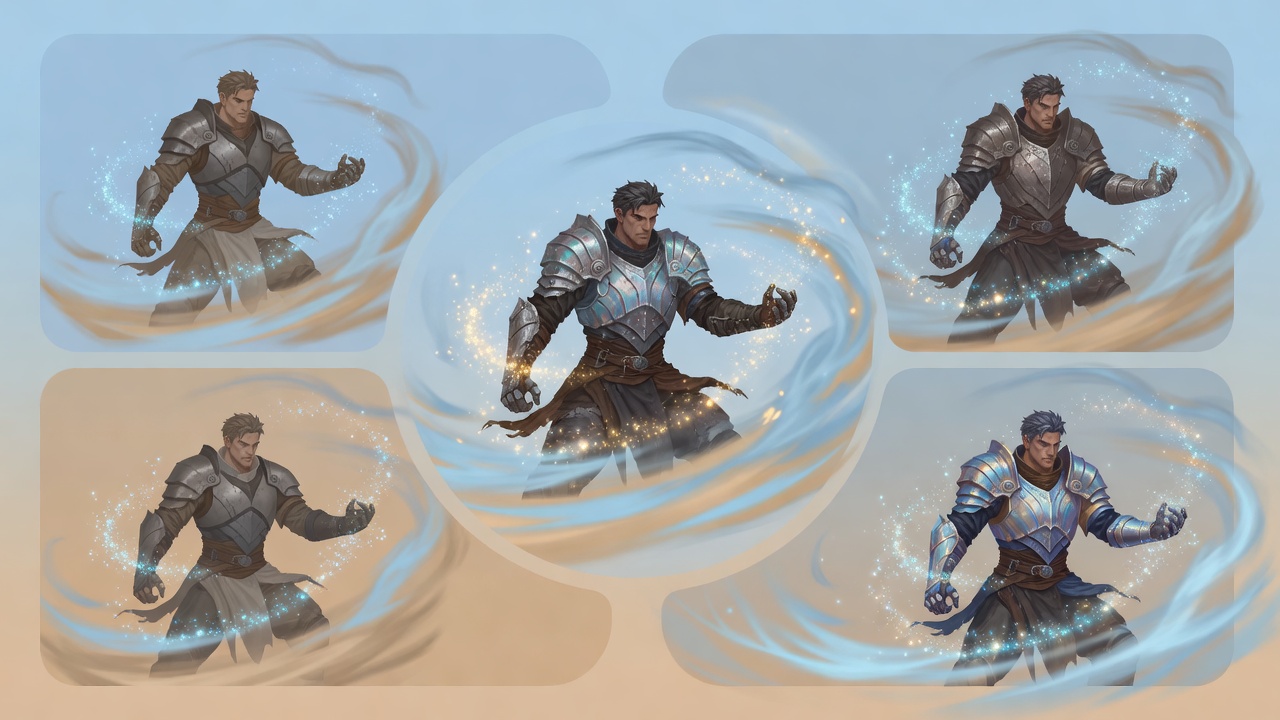
Once obtained, characters in collectible RPGs are usually improved through multiple fictional progression systems. Common layers include:
- Leveling using in-game experience and resources
- Skill upgrades and new ability unlocks
- Equipment, relics, or artifact systems
- Evolution / awakening that changes appearance and power
- Specialization or constellation-style bonus systems
These systems are designed to give players ongoing goals and visible improvement. Progress is generally gated behind time, repeated play, and resource management within the fictional game world.
Every number, percentage, or probability mentioned in any mobile game is part of a fictional entertainment system. This website does not provide, analyze, or guarantee any real drop rates. There is no real-money gambling, betting, investment, prize, or withdrawal opportunity associated with any content here. All information is provided strictly for educational understanding of game design.